Archive Rescue
Moldy Film: Possibilities for Rescue
When retrieving home movies or photographic films that were thought to be safely stored, you may notice white spots, spiderweb-like patterns, or a sticky surface. This is "mold." Many people assume it is too late and give up on these memories, but with professional treatment, it is often possible to restore images with surprising clarity. In this guide, we explain the nature of film mold and the detailed process of rescue and digitization.
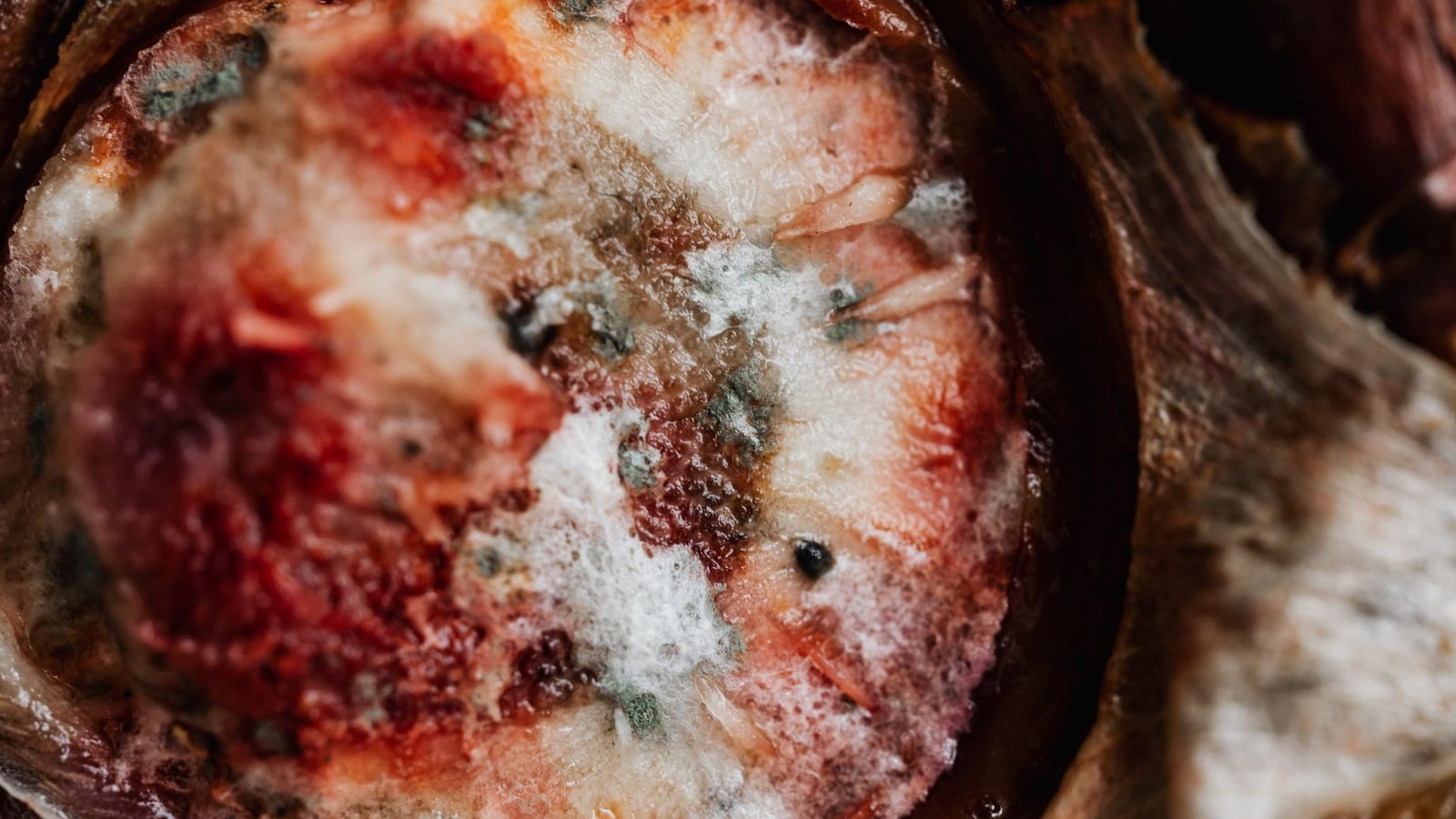
Why Mold Develops on Film
Film is composed of organic compounds such as cellulose, making it an ideal nutrient source for microorganisms. In Japan, and particularly in high-humidity areas like Osaka, mold can proliferate rapidly if proper climate control is not maintained.
The primary factors accelerating mold growth are high temperature and humidity, stagnant air, and fingerprints or dirt left on the film surface. In the dense residential environments of Kita-ku, Osaka, where indoor temperatures can rise and condensation occurs easily during the humid summer months, film degradation tends to accelerate more quickly than in drier climates.
Types of Mold and Their Impact
Mold on film is generally categorized into two types. The first is "surface mold," which adheres to the exterior of the film; this can be removed through appropriate professional cleaning. The second is "penetrating mold," which enters deep into the emulsion layer where the image is recorded.
In the case of penetrating mold, the fungi may decompose the emulsion, causing parts of the image to be permanently lost. However, even then, the image is not necessarily gone. During the digitization phase, by adjusting contrast and applying digital noise reduction, we can often restore the footage to a viewable and recognizable state.
The Rescue Process: Professional Studio Treatment
It is critical that you never run moldy film through a scanner. Mold spores can adhere to the scanner's optics, contaminating other healthy films and potentially causing permanent equipment failure. At Kilobyteivore, we follow a strict rescue protocol:
Using high-magnification loupes and microscopes, we analyze the type of mold, the depth of penetration, and the physical state of the film base.
We use specialized cleaning solutions that do not harm the film to carefully remove surface mold and debris, employing techniques that protect the delicate emulsion.
The cleaned film is dried in a controlled environment to ensure the material is stable before it touches any scanning hardware.
We digitize the film at the optimal resolution for its condition, followed by digital restoration to polish the final result.
Rescue Possibility Checklist
Check the condition of your film against the list below. While a definitive judgment requires a studio diagnosis, this serves as a general guideline.
| Condition | Rescue Probability | Notes |
|---|---|---|
| White spots or powder on the surface | Very High | Usually completely removable via cleaning. |
| Surface feels sticky or tacky | High | Likely early signs of hydrolysis combined with mold. |
| Small holes appearing in the image | Medium | Lost areas cannot be restored, but the rest is savable. |
| Film layers are fused together | Requires Diagnosis | Forcing them apart causes breakage; special dissolving treatment is needed. |
Finishing with Digital Restoration
Traces of mold that remain after cleaning, or fading due to age, are addressed during the "AV Digital Restoration" stage. By applying noise reduction filters and color correction, we can revive the vivid colors of the original era.
For home movie films (8mm/Super 8), we aim to preserve the authentic film grain while mitigating the distracting mold spots, ensuring that family memories are presented in a comfortable, watchable format.
Future Preservation and Prevention
To prevent rescued film from deteriorating again, improving the storage environment is essential. For those living in urban areas like Osaka, we recommend the following:
- Temperature and Humidity Control: Ideal conditions are below 18°C with 30-50% humidity. Use dehumidifiers or airtight containers with high-grade desiccants.
- Ensure Ventilation: Do not leave films in completely sealed, stagnant air for years. Periodically check your archives or use proper archival-grade storage boxes.
- Early Digitization: Film naturally degrades over time. We strongly recommend creating a digital archive as soon as possible rather than relying solely on physical preservation.
Important Note: Depending on the state of the film, there is a non-zero risk of material damage during the cleaning process. While we exercise extreme caution, for severely degraded materials, we will explain the risks in detail before commencing work.
Conclusion: Before You Give Up on Your Memories
Moldy film may look hopeless at first glance. However, by combining professional chemical cleaning with modern digital technology, time that seemed lost can move once again.
The first step is to accurately understand the current condition of your media. At our studio in Kita-ku, Osaka, we provide careful diagnosis and treatment for your precious films.
Considering Film Digitization?
We provide professional scanning including specialized mold treatment.
Home Movie Digitization DetailsRelated Guide
If you are also digitizing tapes, please refer to our preparation guide.
Guide to Preparing Tapes for DigitizationFor consultations regarding film condition or to request a quote, please contact us via the form below.
Contact Form