Guide to Preparing Tapes for Digitization
Many families find old video tapes tucked away in closets or storage units, only to realize they are unsure how to handle them for digitization. Whether you are concerned about the physical condition of the media or the logistics of shipping, proper preparation is key. In this guide, Kilobyteivore, based in Kita-ku, Osaka, shares professional insights on how to safely and efficiently prepare your precious memories for the digital transition.
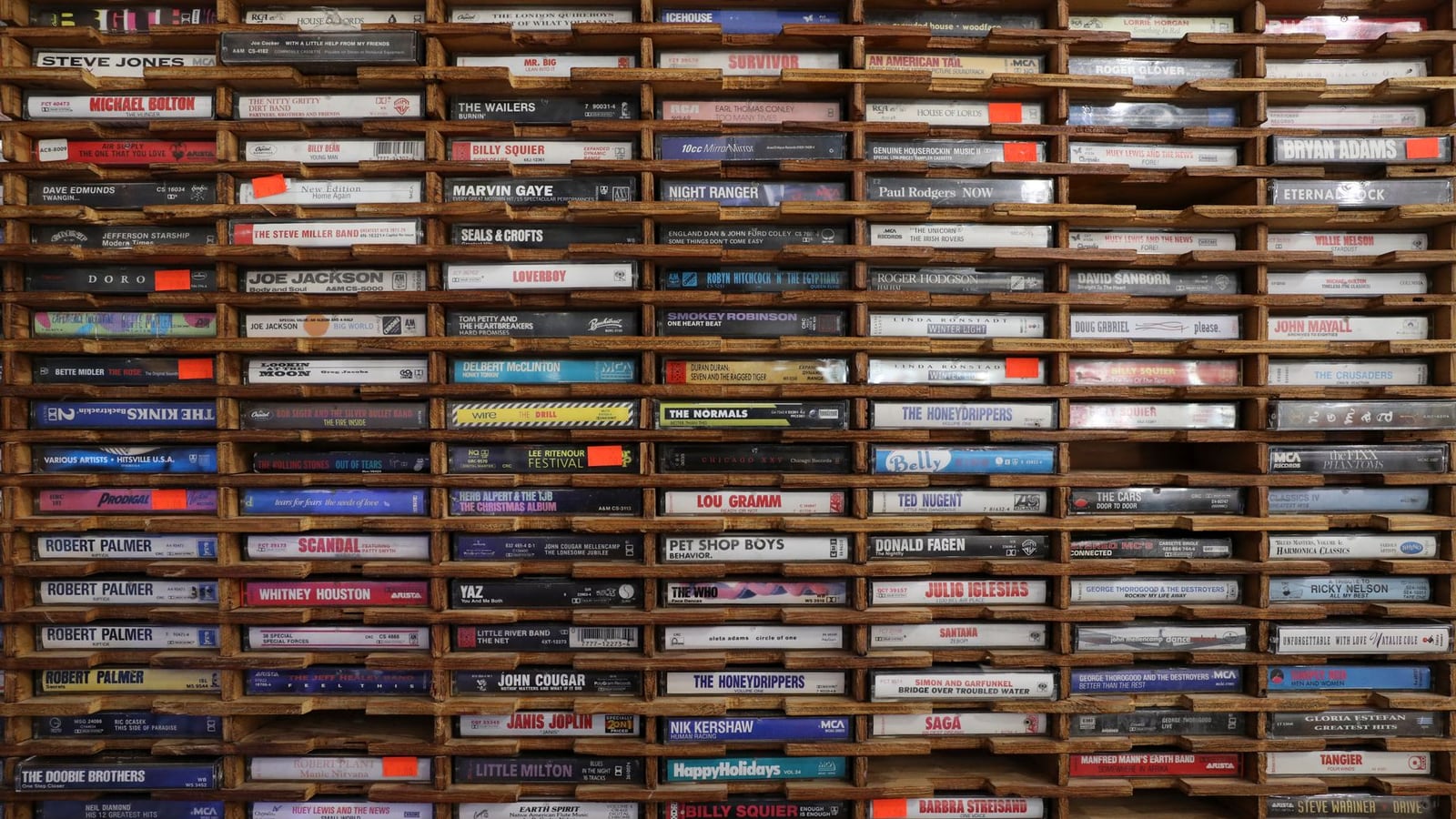
1. Inventory Assessment and Listing
The first step is to determine the total number and specific types of tapes you possess. Video formats vary significantly—VHS, VHS-C, 8mm, Hi8, and MiniDV all require different playback hardware. We strongly recommend creating a simple list or spreadsheet of your tapes.
Check the labels on each cassette and note the approximate content or date. Having a detailed inventory ensures seamless management at our studio, minimizes the risk of misplacement, and allows us to prioritize specific segments if you only need certain scenes extracted. This organized approach saves time and ensures that every tape is accounted for from receipt to return.
2. Self-Checking for Mold and Degradation
Japan's high humidity, particularly in urban centers like Osaka, creates an environment where mold can easily grow on magnetic tape. We advise a careful visual inspection: look through the cassette window for any white powdery residue or small spots on the tape surface.
It is critical not to attempt to play a moldy tape in a standard player. Doing so can contaminate the playback heads and potentially spread spores to other healthy tapes in your collection. If you suspect mold, please leave the tape as is and notify us during the inquiry process. Our specialists can evaluate the tape for professional cleaning and stabilization before digitization.
3. Proper Packing and Shipping Precautions
Magnetic media are sensitive to physical shocks and strong magnetic fields. To ensure your originals arrive in the same condition they left, follow these packing guidelines:
| Checklist Item | Recommended Method | Reason |
|---|---|---|
| Cushioning | Wrap tapes individually in bubble wrap | Prevents case breakage during transit |
| Box Selection | Use heavy-duty corrugated cardboard | Protects against external pressure/crushing |
| Stabilization | Fill gaps with newspaper or foam | Prevents tapes from shifting violently |
| Magnetic Isolation | Keep away from magnets or electronics | Prevents data loss via magnetic interference |
4. Delivery Options for Osaka and Nationwide
Clients can either bring their media directly to our studio in Kita-ku, Osaka, or use a shipping service. For those sending tapes from outside the city, we strongly recommend using a tracked shipping method (such as Japan Post Yu-Pack or Yamato Transport).
Since we are handling irreplaceable original recordings, avoiding loss during transit is our top priority. Once shipped, please provide us with the tracking number via our contact form so we can confirm the arrival of your archive immediately.
5. Choosing Your Digital Delivery Format
We provide high-compatibility formats such as MP4 (H.264 Full HD). You can choose to receive your files via a physical USB drive or through a secure cloud storage download link.
While cloud storage is convenient for immediate sharing, we recommend maintaining a physical backup on an HDD or SSD for long-term archival stability. For a detailed breakdown of how we calculate costs based on volume and format, please refer to our guide on understanding pricing and estimates.
6. Legal and Copyright Verification
Kilobyteivore specializes in the digitization of personal home videos and private records. In accordance with Japanese law and our company policy, we cannot provide duplication services for commercially released films, music videos, or any copyright-protected content. Please ensure that all tapes submitted are your own personal recordings or that you hold the necessary rights to them.
Important Note: In cases of extreme physical degradation or snapped tapes, full restoration may not be possible. We will always report the condition of the media and consult with you before proceeding with any high-risk work.
Summary and Next Steps
Once your inventory is ready and your tapes are checked for mold, the process is straightforward. Reach out to us with the number of tapes and their formats for a precise quote.
Want to learn more about our technical process for video conversion?
Explore Video Tape Digitization Services